October 21, 2026
Japanese cuisine has a remarkable ability to make room for very different kinds of diners. Someone who wants familiar comfort can enjoy a warm bowl of ramen, carefully prepared rice, or crisp tempura, while someone eager to try something new can explore fermented ingredients, regional specialties, or an omakase meal chosen by a chef. This range is part of what makes Japanese food so enduring: it offers discovery without abandoning its roots.
The growing presence of Japanese dining reflects that broad appeal. According to Washoku Agent, the United States has more than 23,000 Japanese restaurants, giving diners across the country opportunities to experience dishes that range from everyday favorites to highly specialized regional cooking. Whether guests arrive with a favorite order or a willingness to experiment, the cuisine offers a welcoming place to begin.
What Are the Fundamental Characteristics of Japanese Cuisine?
Japanese cuisine is shaped by seasonality, balance, careful technique, and respect for ingredients. Rather than relying on heavy sauces or elaborate seasoning in every dish, cooks often aim to bring out the natural flavor and texture of the main ingredients. Dashi, a stock commonly made with kombu seaweed and bonito flakes, provides a savory foundation for soups, sauces, and simmered foods. Soy sauce, miso, rice vinegar, mirin, and pickled vegetables contribute depth without making every dish taste the same.
Rice, noodles, seafood, vegetables, and soy-based foods appear in countless combinations. A Japanese restaurant may serve simple grilled fish alongside rice and miso soup, then offer richly flavored ramen or a platter of sushi. These dishes may look very different, but each can reflect the same attention to balance and preparation. Seasonal ingredients also matter: menus may shift to feature spring vegetables, summer eel, autumn mushrooms, or winter hot pots.
Tradition does not mean that the cuisine is frozen in time. Chefs continue to reinterpret classic dishes, combine techniques, and respond to local ingredients. Innovation is most successful when it adds something meaningful rather than treating Japanese food as a collection of visual trends. This combination of consistency and flexibility helps the cuisine feel both recognizable and alive.
How Does Japanese Cuisine Cater to Adventurous Eaters?
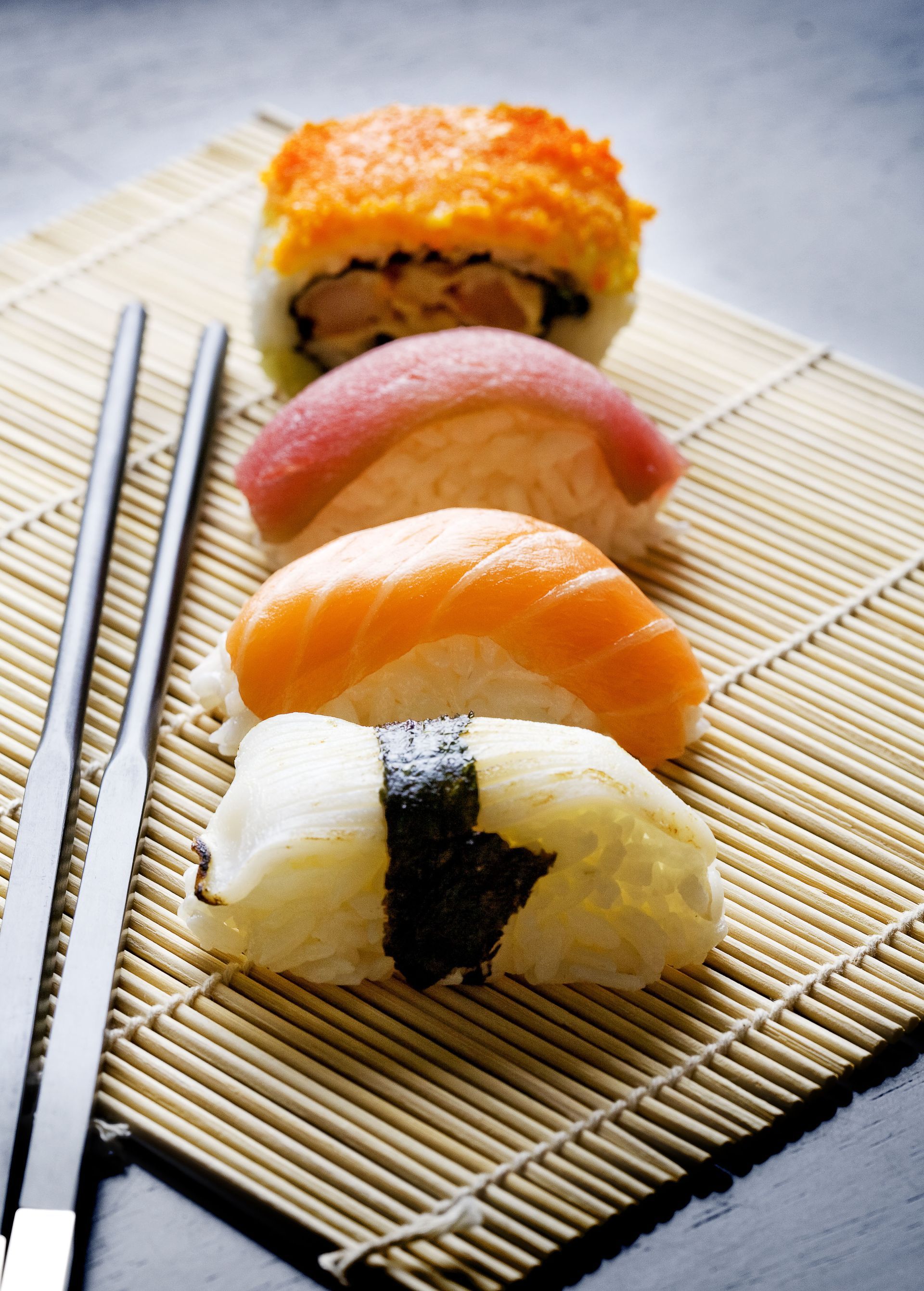
For adventurous diners, Japanese food offers a wide landscape of flavors, textures, and preparations. Sushi and sashimi introduce the subtle differences among fish, while dishes such as takoyaki, okonomiyaki, and yakitori showcase the pleasures of street food and grilling. Fermented foods, sea vegetables, unusual cuts, and regional specialties can take curious guests beyond the familiar rolls and noodle bowls found on many menus.
A Japanese restaurant can also make exploration feel manageable. Diners who are uncertain about raw fish might start with cooked shrimp, tamago, or vegetable rolls before trying sashimi. Someone curious about richer flavors could order miso ramen, grilled mackerel, or a dish featuring natto, a fermented soybean food with a distinctive aroma and sticky texture. Sharing several small plates allows a group to sample a range of dishes without committing to a full serving of something unfamiliar.
The experience itself can be an adventure. At an omakase counter, guests trust the chef to select a sequence of dishes, often guided by seasonality and the ingredients available that day. Regional cooking also rewards exploration: Hokkaido is known for seafood and dairy products, Osaka has a strong street-food tradition, and Okinawan food reflects a distinct history and local pantry. These variations demonstrate that Japanese cuisine is not one uniform style, but a collection of food cultures shaped by geography and history.
Why Do Traditionalists Appreciate Japanese Cuisine?
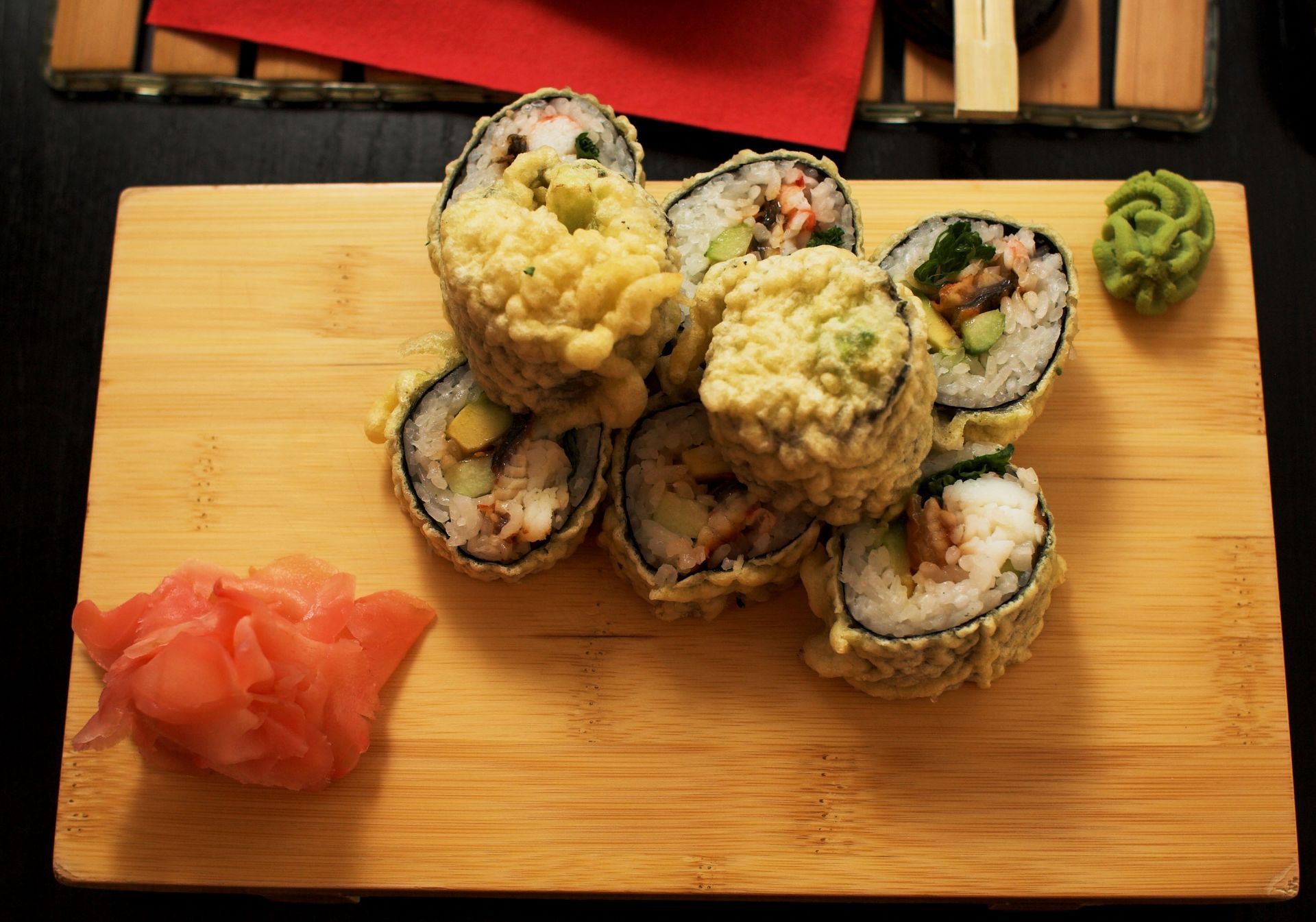
Traditionalists often value Japanese cuisine because it treats established methods as meaningful skills rather than shortcuts to a finished dish. Sushi rice requires attention to seasoning and temperature. Broths depend on timing and ingredient quality. Tempura calls for a light batter and careful control of oil, while soba noodles can reflect the craft of milling, mixing, rolling, and cutting buckwheat dough. Small details influence the result.
A traditional meal can also offer comfort through its restraint. A bowl of rice, miso soup, pickles, and grilled fish may seem modest, yet each component has a purpose. The flavors complement one another without competing for attention. In a Japanese restaurant that emphasizes classic preparation, diners can appreciate the chef’s technique through the clarity of the food itself.
Ritual and continuity contribute to the appeal, too. Seasonal dishes connect meals with changes in the natural world, while familiar preparations carry memories of family tables and regional customs. Respect for ingredients can mean using the whole fish thoughtfully, choosing produce at its best, and avoiding unnecessary waste. For traditionalists, authenticity is not necessarily about refusing every modern influence. It is about understanding the reasons behind a method and preserving the care that gives it meaning.
What Role Do Japanese Restaurants Play in the Global Spread of Japanese Cuisine?
Restaurants have helped Japanese food become familiar far beyond Japan, introducing diners to ingredients, cooking techniques, and customs that might otherwise remain unfamiliar. Sushi, ramen, tempura, and teriyaki have become widely recognized, while more specialized restaurants have introduced regional dishes and more traditional dining formats. The more than 23,000 Japanese restaurants in the United States noted by Washoku Agent illustrate the scale of this presence.
Global popularity also involves adaptation. Some restaurants adjust seasoning, portion sizes, ingredients, or menu formats to suit local preferences and supply. Fusion dishes may combine Japanese techniques with flavors from other culinary traditions, creating new interpretations rather than reproducing a classic recipe exactly. Such experimentation can attract first-time diners and encourage them to explore more traditional dishes later.
The balance is important. Adaptation can make Japanese food accessible, but thoughtful restaurants explain dishes clearly and treat their origins with respect. Diners benefit when menus distinguish a classic preparation from a contemporary interpretation, allowing them to choose based on interest and comfort. A Japanese restaurant can serve as both a familiar neighborhood option and a gateway to a deeper understanding of Japanese culinary culture.
How Does the Presentation Enhance the Dining Experience at a Japanese Restaurant?
Presentation is not simply decoration in Japanese cuisine. The arrangement of food can emphasize color, shape, texture, season, and the relationship between ingredients. A piece of sashimi may be positioned to show its clean cut and delicate color, while garnishes provide contrast and a hint of flavor. Pottery, lacquerware, and serving plates can complement the dish without overwhelming it.
The principle of restraint is especially noticeable. Space on a plate can be intentional, helping each component stand out. A carefully arranged bento offers visual variety while keeping foods distinct, and a seasonal dish may use leaves or flowers to suggest a particular time of year. These choices invite diners to slow down and notice details before taking the first bite.
Japanese cuisine appeals to adventurous eaters and traditionalists because it combines variety with a strong sense of purpose. Curious diners can explore regional specialties, unfamiliar ingredients, and chef-led tasting menus, while those who prefer familiar flavors can find comfort in rice, noodles, grilled dishes, and carefully prepared classics.
The global spread of Japanese dining shows how effectively the cuisine can travel while continuing to evolve. From casual noodle shops to refined sushi counters, a
Japanese restaurant can offer an introduction to new flavors or a deeper appreciation of time-honored craft. Its appeal rests not on choosing between innovation and tradition, but on allowing both to enrich the experience. If you're looking for delicious Japanese food, visit Osaka Japanese Hibachi & Sushi Restaurant today!