August 19, 2026
Exploring the world of traditional Japanese cuisine opens up a vast realm of flavors, delicate knife skills, and rich culinary history. For anyone stepping into a local dining establishment, navigating the menu can sometimes feel overwhelming due to the variety of items available. Among the most popular choices on offer are nigiri, sashimi, and classic maki rolls. While these dishes often share similar fresh ingredients, such as high-grade fish and seasoned rice, each possesses distinct characteristics that set it apart in texture, appearance, and preparation. Understanding these subtle variations enhances your dining experience and helps you order with total confidence.
Understanding the Foundation of Nigiri
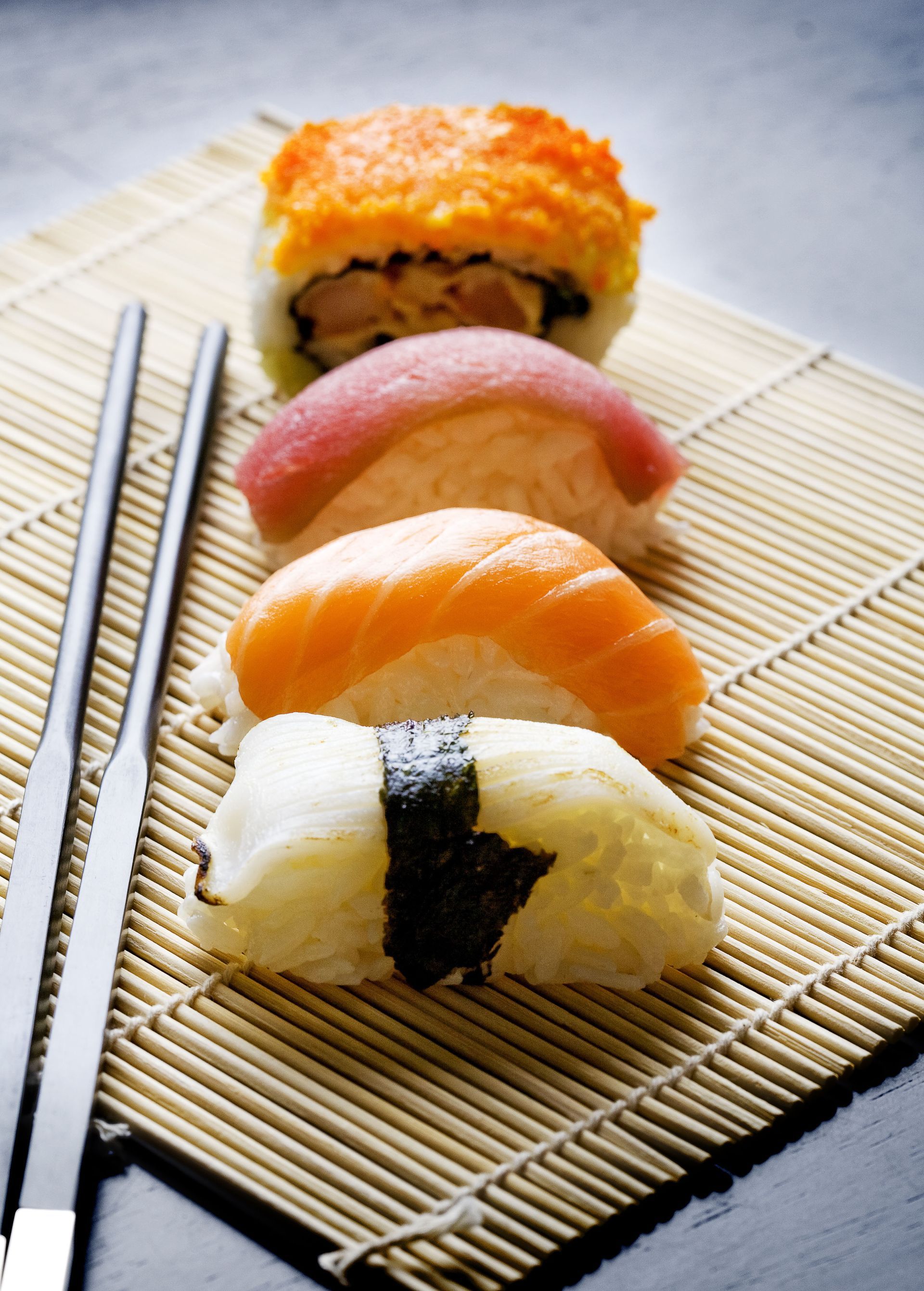
Nigiri is a classic form of Japanese culinary art that showcases simplicity and precise balance in every single bite. This dish consists of a hand-pressed mound of warm, vinegared rice topped with a single, carefully sliced piece of raw or cooked seafood. Visiting a traditional sushi restaurant allows you to observe how chefs meticulously shape the rice to ensure it holds together while remaining light and airy. The seafood topping, known as neta, commonly features choices like salmon, tuna, sweet shrimp, or grilled eel. Unlike complex rolls, nigiri relies on minimal ingredients, allowing the natural flavor and texture of the fish to take center stage. The harmonious relationship between the subtle acidity of the rice and the richness of the seafood defines this timeless offering.
Exploring the Pure Elegance of Sashimi
For diners who want to savor the pure, unadulterated flavor of ocean-fresh seafood, sashimi is the ultimate choice. Unlike other popular menu options, sashimi contains no rice whatsoever and instead consists solely of thinly sliced raw fish or seafood. When you visit a high-quality sushi restaurant, you will notice that sashimi is usually served on a bed of shredded daikon radish accompanied by fresh shiso leaves. Common choices include fatty tuna, yellowtail, octopus, and sea urchin, each chosen for its supreme freshness and distinct taste profile. Because there are no rice or complex sauces to alter the taste, the quality of the fish remains front and center. Enjoying sashimi offers a refined tasting experience that highlights raw seafood in its purest form.
Appreciating the Craftsmanship Behind Classic Maki Rolls
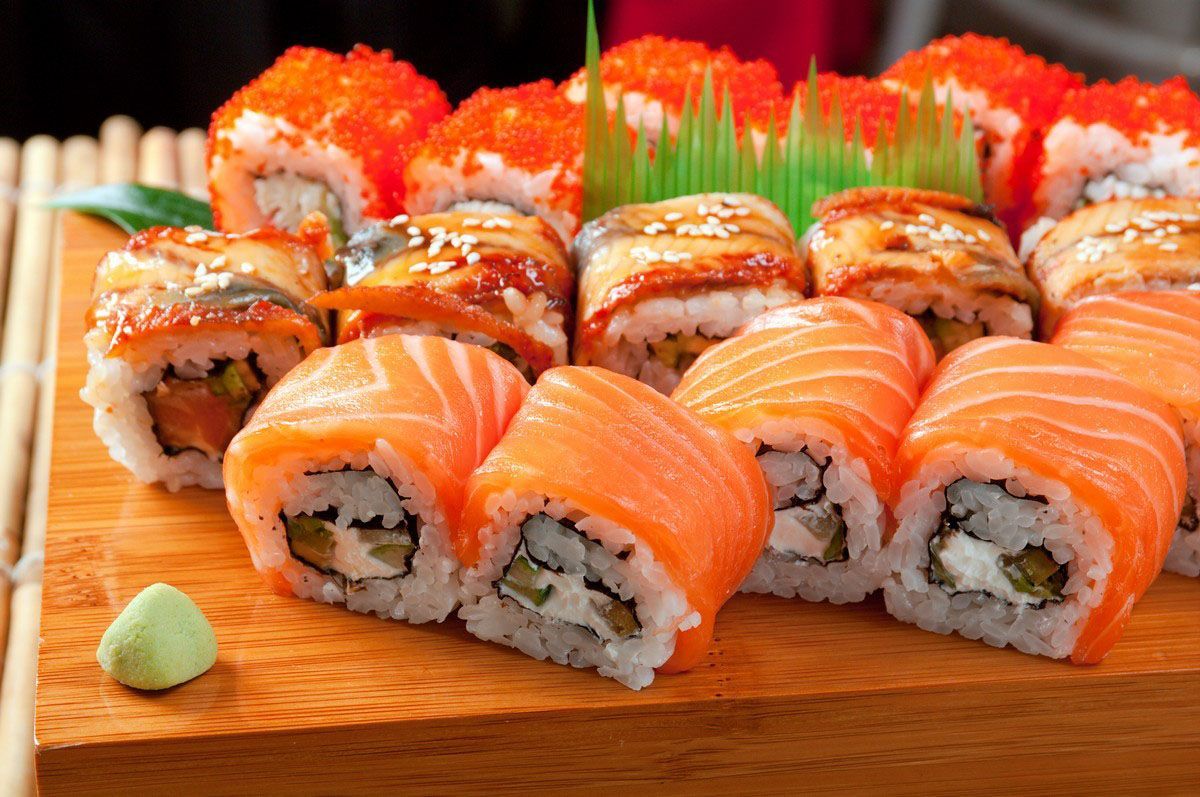
Maki rolls, commonly referred to simply as rolls, represent one of the most accessible and versatile styles of Japanese dining worldwide. A standard maki roll features a combination of fresh fish, crisp vegetables, and seasoned rice wrapped tightly inside a sheet of toasted nori seaweed. Choosing to dine at a lively sushi restaurant gives you access to an incredible variety of roll styles, ranging from simple single-ingredient rolls to elaborate specialty creations. Chefs utilize bamboo mats to roll the ingredients into neat cylinders before slicing them into bite-sized pieces. The combination of contrasting textures, from creamy avocado to crunchy cucumber and tender tuna, creates a dynamic mouthfeel that appeals to a wide variety of palates.
Examining Key Differences in Rice Usage
One of the primary structural distinctions among nigiri, sashimi, and rolls lies in how seasoned rice is utilized within each preparation. Nigiri relies on a firm yet delicate base of vinegared short-grain rice designed to complement a single slice of seafood. In contrast, rolls use rice as an enveloping layer that binds multiple varied fillings together inside or outside the seaweed wrapper. Meanwhile, sashimi skips the rice entirely, focusing exclusively on the raw seafood itself. When visiting your favorite sushi restaurant, noticing how rice is integrated into each dish reveals how subtle preparation changes completely alter the character of the meal. The presence or absence of rice drastically changes both the density and overall flavor profile of each bite.
Comparing Slicing Techniques and Texture Profiles
The culinary skill required to prepare Japanese seafood centers heavily on masterful knife techniques, which vary significantly depending on the dish being prepared. Slicing fish for sashimi demands extreme precision, as the angle, thickness, and grain of the cut directly impact how the seafood feels on the palate. When you order from a skilled sushi restaurant, you will find that firmer fish is cut thinner, while softer varieties are served in thicker, melt-in-your-mouth portions. Nigiri slices require a specific drape that conforms neatly to the hand-shaped rice mound beneath it. Roll ingredients, on the other hand, are often julienned or diced to allow multiple components to fit evenly within the roll.
Evaluating Cultural Popularity and Market Growth
The worldwide fascination with authentic Japanese dining options continues to expand at an unprecedented rate across global markets. Diners across different cultures have embraced everything from simple rolls to delicate sashimi plates for both everyday meals and special celebrations. According to Strategic Market Research, the global sushi restaurant market is projected to reach $13.7 billion by 2030. This impressive economic growth reflects a broader culinary trend toward fresh, high-protein, and visually stunning meal choices. As consumer awareness grows, more people are learning to appreciate the traditional craftsmanship behind nigiri, sashimi, and rolls.
Understanding Traditional Eating Etiquette
Enjoying an authentic meal involves understanding a few traditional etiquette practices that elevate the overall dining experience. When eating nigiri, it is entirely acceptable to use your fingers instead of chopsticks to lift the piece, dipping only the fish side lightly into soy sauce. Over-soaking the rice in soy sauce can cause the mound to break apart and overpower the delicate flavor of the seafood. Conversely, sashimi should always be eaten using chopsticks, with a small touch of wasabi applied directly to the slice of fish. When seated at a traditional sushi restaurant, following these time-honored customs demonstrates respect for the chef's craft while helping you enjoy the intended flavor balance of every course.
Exploring Modern Fusion and Roll Innovations
While traditional nigiri and sashimi hold fast to classic preparation methods, maki rolls have evolved to incorporate modern fusion flavors from around the world. Contemporary menus frequently feature inside-out rolls, where the rice sits on the exterior, coated with toasted sesame seeds or crunchy tobiko. A modern sushi restaurant might offer signature rolls filled with tempura shrimp, spicy mayonnaise, cream cheese, or sweet unagi sauce. These creative combinations offer an inviting entry point for diners who may be hesitant to try plain raw fish. The endless adaptability of rolls allows culinary teams to blend traditional Japanese techniques with bold, modern flavor profiles that keep menus fresh and exciting.
Knowing the Ideal Condiments and Beverage Pairings
The condiments served alongside your plate play an essential role in enhancing and cleansing your palate throughout the meal. Wasabi provides a sharp, clearing heat that elevates the rich fats found in fish like salmon and tuna belly. Thinly sliced pickled ginger, known as gari, is meant to be eaten between different bites to reset your taste buds rather than consumed simultaneously with the fish. Choosing the right beverage at your local sushi restaurant also elevates the meal, with options like cold green tea, crisp Japanese lagers, or smooth dry sake pairing wonderfully with raw seafood. These thoughtful additions ensure that each piece tastes as vibrant as the first.
Choosing the Right Option for Your Palate
Deciding between nigiri, sashimi, and rolls ultimately comes down to your personal taste preferences, dietary goals, and comfort with raw seafood. If you love a rich carb-to-protein balance that highlights a single main ingredient, nigiri is a fantastic choice. If you prefer a low-carb option that focuses purely on high-grade raw fish and exquisite knife technique, sashimi is the clear winner. For those who enjoy complex flavor combinations, varied textures, and vibrant sauces, ordering a few signature rolls will satisfy every craving. Exploring all three styles over time allows you to develop a well-rounded appreciation for the full spectrum of authentic Japanese dining.
Whether you prefer the simple elegance of hand-pressed nigiri, the clean taste of fresh sashimi, or the vibrant flavor combinations of traditional rolls, each dish offers a unique window into Japanese culinary heritage. If you are ready to experience authentic Japanese culinary craftsmanship and savor the finest nigiri, sashimi, and signature rolls made with ocean-fresh ingredients, visit Osaka Japanese Hibachi & Sushi Restaurant today to reserve your table or order online.