June 10, 2026
Japanese cuisine is celebrated worldwide for its unique flavors, variety, and cultural significance. Embarking on a culinary journey through the menu of a Japanese restaurant is not only a feast for your taste buds but also an opportunity to experience a rich tapestry of traditions and innovations. Visiting a local Japanese restaurant allows diners to explore carefully prepared dishes that balance freshness, presentation, and authentic flavor combinations.
According to Data Bridge Market Research, globally, Japanese cuisine ranks as the second most popular, highlighting its widespread appeal and influence across international dining cultures. We explore the authentic flavors you can discover at your local Japanese restaurant, offering insight into the elements that make Japanese cuisine both sophisticated and accessible.
Japanese Culinary Heritage
1. A Prelude to Japan's Culinary Traditions
1.1 The History of Japanese Cuisine
The history of Japanese cuisine is a fascinating tale of evolution and adaptation. Spanning several centuries, Japanese food found its roots in ancient China, from where rice cultivation techniques were first introduced. As the archipelago embraced Buddhism, the Japanese people largely shunned meat, leading to a diet heavily reliant on rice, seafood, and vegetables. The Edo period marked a significant shift with the rise of urban food culture, birthing many dishes enjoyed today. By understanding its rich history, we appreciate how deeply interwoven Japanese cuisine is with the country's cultural fabric.
Over time, Japanese chefs refined preparation methods that emphasized simplicity and natural flavor. This culinary philosophy continues to influence modern dining experiences across the world. Today, many diners visit a local Japanese restaurant to experience traditional recipes that have been preserved and adapted for contemporary tastes.
1.2 Fundamental Principles of Japanese Cooking
Central to Japanese cooking are the principles of seasonality, balance, and harmony. Japanese chefs emphasize "shun" – the notion of enjoying ingredients at their peak seasons. Balance is another cornerstone, with dishes often designed to engage all the senses, offering a complete sensory experience. Harmony is achieved by maintaining a delicate interplay between textures, flavors, and colors, echoing the Japanese philosophy of Wa. These principles not only elevate the culinary experience but also respect nature's rhythms and bounty.
Attention to detail is equally important in Japanese kitchens. Ingredients are carefully selected, and cooking methods are designed to preserve freshness while enhancing natural taste profiles. Guests who dine at a local Japanese restaurant often appreciate the precision and artistry that go into every dish. This approach creates meals that feel both elegant and comforting. Dining at a local Japanese restaurant offers an opportunity to appreciate not only delicious flavors but also the traditions and philosophies that shape Japanese food culture.
Modern Japanese Dining Experiences
2. Unraveling the Japanese Dining Experience
2.1 Navigating the Menu
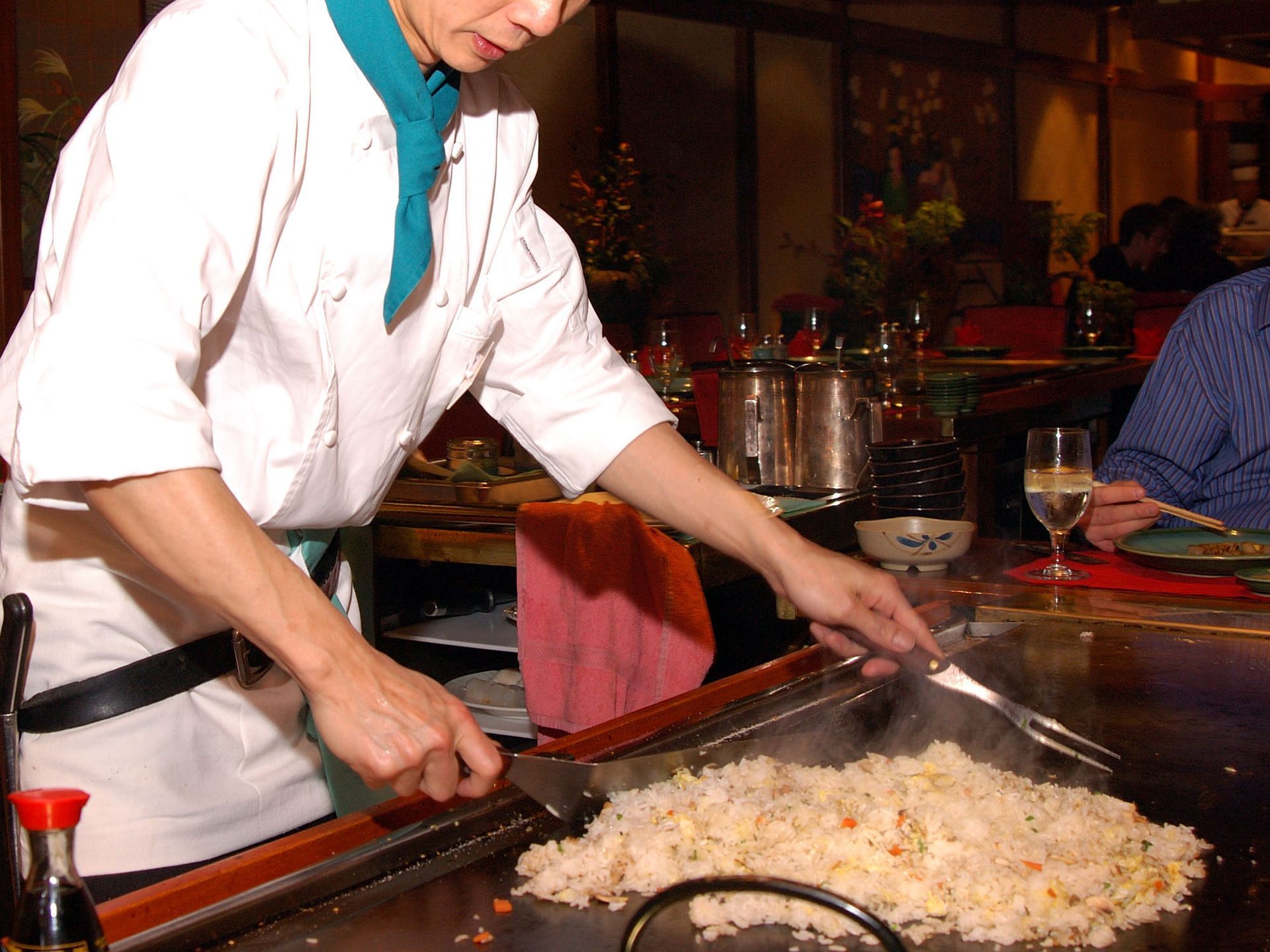
Navigating a Japanese restaurant menu can be an enlightening experience, akin to uncovering a treasure trove of culinary delights. Menus typically feature a range of options from sushi and sashimi to elaborate kaiseki courses, presenting a well-rounded introduction to Japanese gastronomy. First-time diners may find the sheer variety overwhelming, but many establishments offer mix-and-match set meals that simplify the process. Servers are often knowledgeable and can explain ingredients, spice levels, and recommended pairings. Trying a chef’s special or seasonal offering can also provide insight into authentic preparation techniques and ingredient quality.
2.2 Dining Etiquette and Customs
Understanding dining etiquette is integral to an authentic Japanese dining experience. Chopstick use is an art, with specific rules about placement and handling to show respect. Removing shoes before entering traditional tatami rooms and expressing gratitude with phrases like "Itadakimasu" and "Gochisousamadeshita" enhance cultural connectivity. These customs help create a respectful and immersive atmosphere that reflects Japanese hospitality. Even simple gestures, such as sharing dishes carefully or appreciating presentation, contribute to a more meaningful meal.
Iconic Japanese Dishes
3. Exploring Iconic Japanese Dishes
3.1 Sushi and Sashimi: A Celebration of Freshness
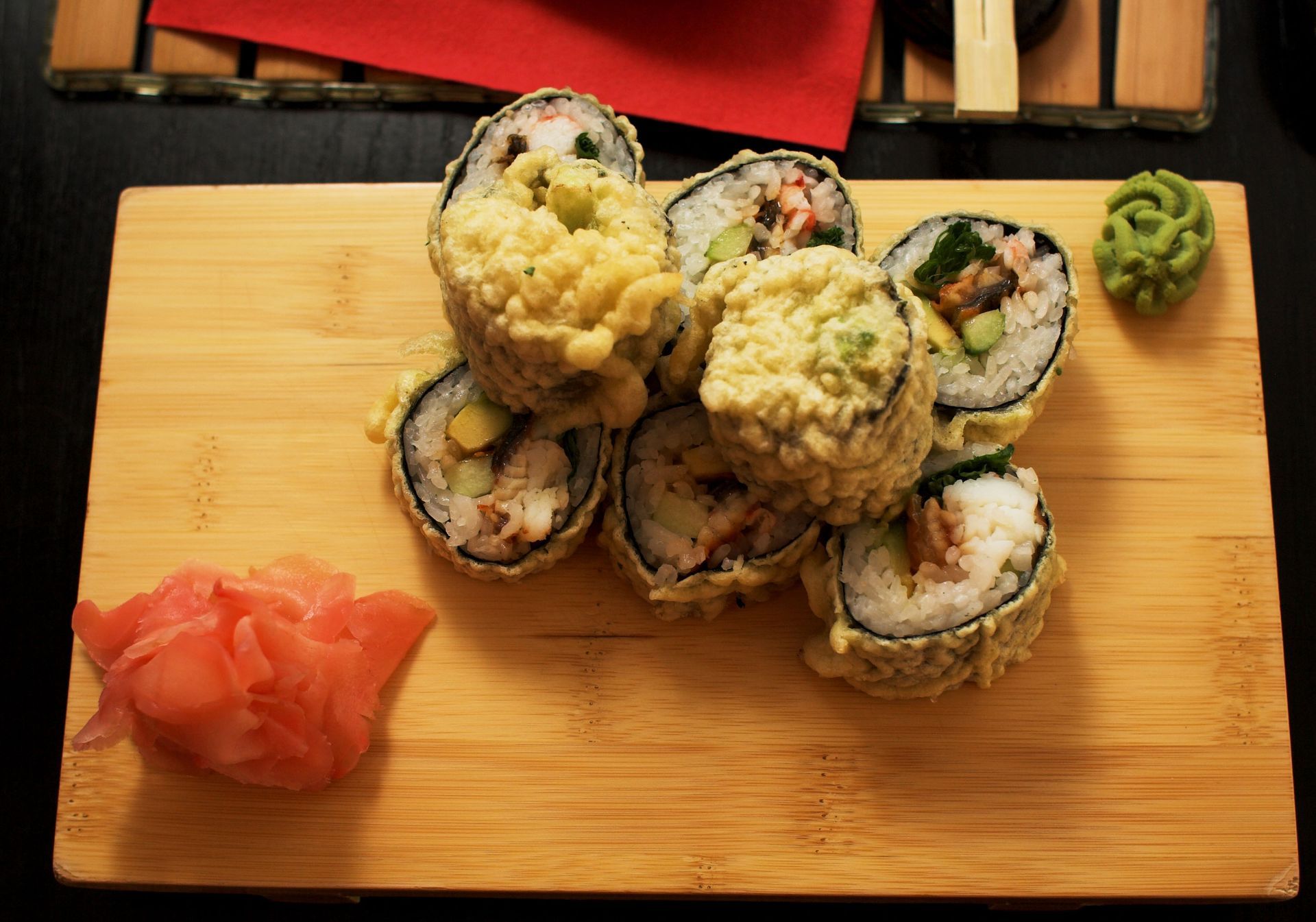
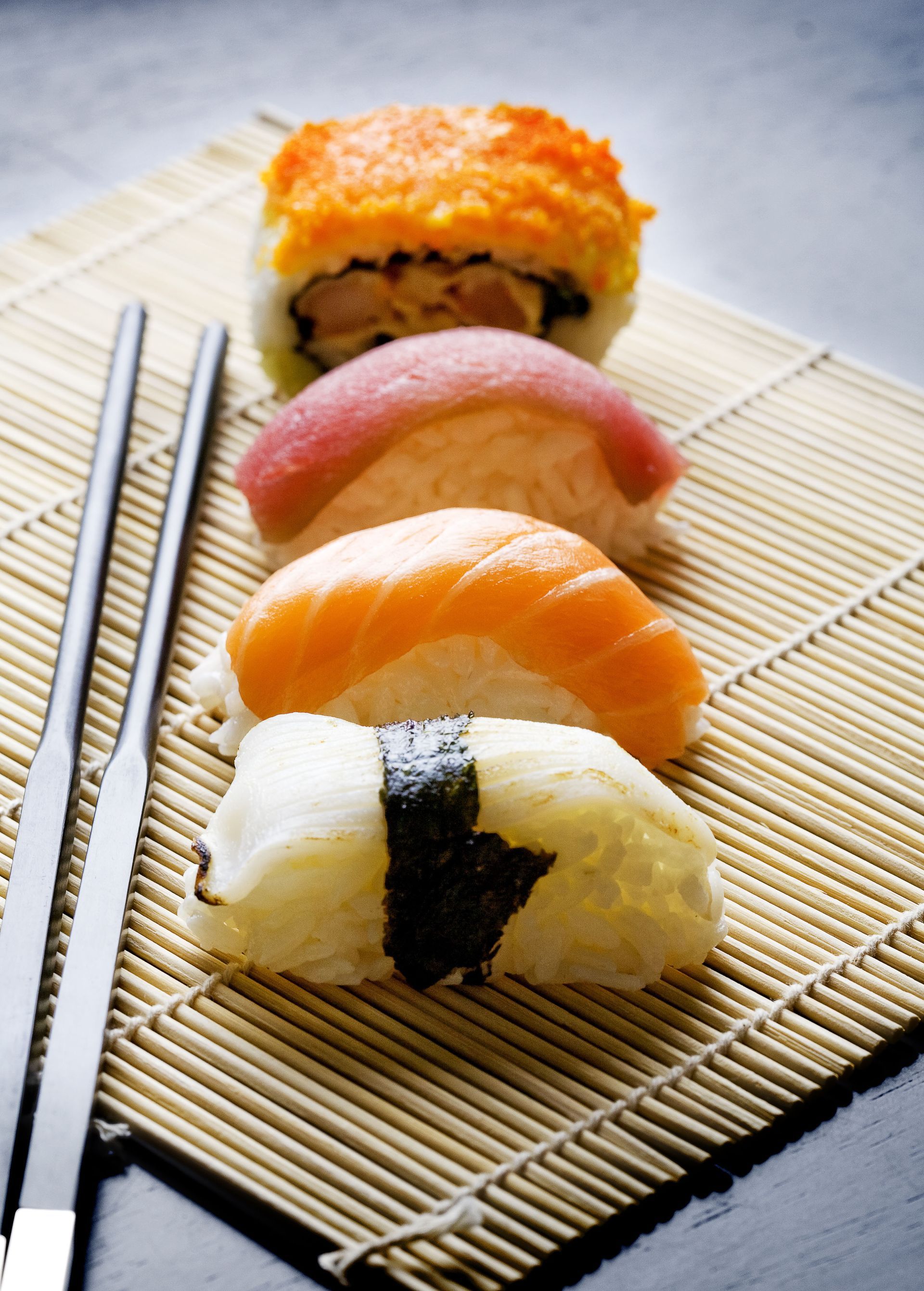
Sushi and sashimi are the epitome of Japanese gastronomy that celebrates the art of freshness. Their preparation showcases the chef's skill in highlighting the natural flavors and textures of the fish, reflecting a deep respect for ingredients. Sushi, with its perfectly seasoned rice and varied toppings, presents a dynamic tasting experience. Sashimi elevates simplicity by allowing diners to focus entirely on texture and flavor. At a local Japanese restaurant, freshly prepared sushi and sashimi often serve as the centerpiece of the dining experience.
3.2 Ramen: Achieving the Perfect Broth and Noodles
Ramen, a beloved comfort food, is a testament to Japanese culinary innovation and dedication. Its allure lies in the complex, rich broths simmered for hours, imparting deep layers of flavor that captivate the senses. The noodles, crafted for the ideal texture, swim in harmony with toppings like tender pork slices and soft-boiled eggs. Each region of Japan offers unique ramen styles, ranging from creamy tonkotsu to soy-based shoyu broths. This variety makes ramen both versatile and deeply satisfying for diners seeking warmth and comfort.
Essential Ingredients of Japanese Cuisine
4. Essential Ingredients in Japanese Cooking
4.1 Rice, Soy, and Foundational Staples
The foundation of Japanese cuisine lies in staple ingredients such as rice, soy sauce, tofu, and seaweed. Rice serves as both a dietary staple and cultural symbol, appearing in countless meals and celebrations. Soy-based ingredients contribute savory depth and versatility. These simple ingredients form the basis for countless recipes while maintaining balance and harmony. Their consistent use reflects Japan’s culinary philosophy of achieving complexity through restraint.
4.2 Seafood and Seasonal Produce
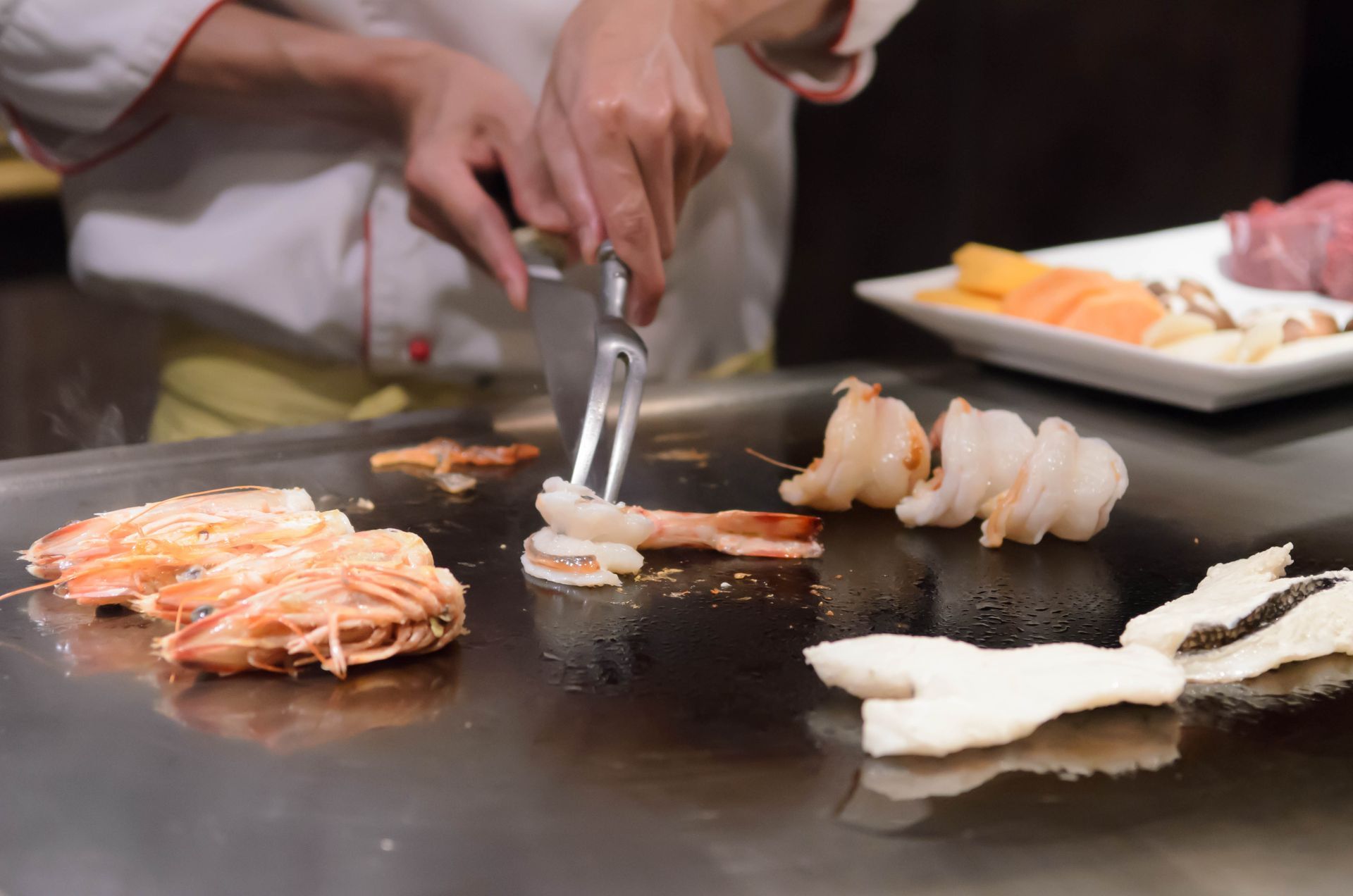
Seafood plays a central role in Japanese cuisine, crafting a dynamic culinary landscape that celebrates oceanic bounty. Fresh fish, shrimp, squid, and shellfish are prepared using methods that preserve natural flavor and texture. Seasonal vegetables complement seafood dishes with freshness and color. Chefs often adjust menus based on seasonal availability, ensuring ingredients remain vibrant and flavorful. This commitment to freshness is one reason Japanese cuisine maintains its global reputation for quality.
4.3 Miso, Dashi, and Umami Flavors
Miso and dashi are key components that create the signature umami taste found in many Japanese dishes. Miso adds depth and richness to soups, marinades, and sauces, while dashi serves as a flavorful broth base for noodles and simmered dishes. Together, these ingredients create savory complexity without relying on heavy seasoning. Their subtle flavors provide warmth and depth that define traditional Japanese comfort foods.
Japanese Beverages and Desserts
5. Pairing Drinks with Japanese Cuisine
5.1 Sake and Japanese Spirits
Sake pairing is an art that reflects the sophisticated depth of Japanese dining. Different sake varieties complement sushi, grilled meats, and soups by enhancing umami flavors and balancing textures. Japanese whiskey and shochu also contribute unique tasting experiences.
These beverages are crafted with precision similar to the cuisine itself. Pairing drinks thoughtfully can significantly enhance the flavors and overall enjoyment of a meal.
5.2 Tea Culture and Non-Alcoholic Options
Tea culture in Japan is deeply connected to mindfulness and hospitality. Matcha, sencha, and barley tea provide refreshing contrasts to savory dishes while cleansing the palate between bites. Non-alcoholic beverages such as yuzu sodas and fruit-based drinks add additional variety. These beverage options ensure that diners of all preferences can fully enjoy the experience. Their refreshing qualities also balance richer menu items effectively.
Dining at a local Japanese restaurant offers an opportunity to appreciate not only delicious flavors but also the traditions and philosophies that shape Japanese food culture. Whether trying Japanese cuisine for the first time or returning to favorite dishes, diners can discover something new in every meal. The combination of fresh ingredients, thoughtful preparation, and immersive atmosphere continues to make Japanese dining one of the world’s most admired culinary experiences. Visit Osaka Japanese Hibachi & Sushi Restaurant today to enjoy authentic Japanese flavors, welcoming hospitality, and a dining experience that keeps guests coming back for more.