November 23, 2026
Sushi has carved an unmistakable niche within the global culinary landscape. From humble beginnings as a traditional Japanese dish, sushi has captivated palates worldwide. The delight in its flavors and presentation at fine sushi restaurants resonates across continents. This article delves into the myriad reasons behind sushi's enduring allure. We'll dissect historical, nutritional, artistic, and economic influences that contribute to its timeless appeal.
The History and Origins of Sushi
Early Beginnings in Southeast Asia
Sushi originated in Southeast Asia as a means of preserving fish. By wrapping fish in fermented rice, early methods ensured extended edibility. This technique, known as narezushi, laid the groundwork for what would become a culinary staple. Over time, the practice migrated to Japan, where rice was no longer just a preservative. It became a complementary component, altering sushi's fundamental identity.
In Japan, sushi underwent significant transformations. With rice now integral to sushi's conception, it became an appetizing meal. The shift from preservation to consumption changed the dish's nomenclature and perception. What started as a means to preserve, evolved into a flavorful innovation. This evolution captured the imagination and taste buds of the Japanese culture.
Narezushi transformed into the fast-food sushi we know today during the Edo period. Vendors began selling sushi with fresh fish atop vinegared rice. The transition from fermented to fresh ingredients revolutionized the dish. It reflected the growing urban culture and the need for quick, portable nourishment. Modern sushi was born, ready to embark on its global journey.
Transition from Narezushi to Modern Sushi
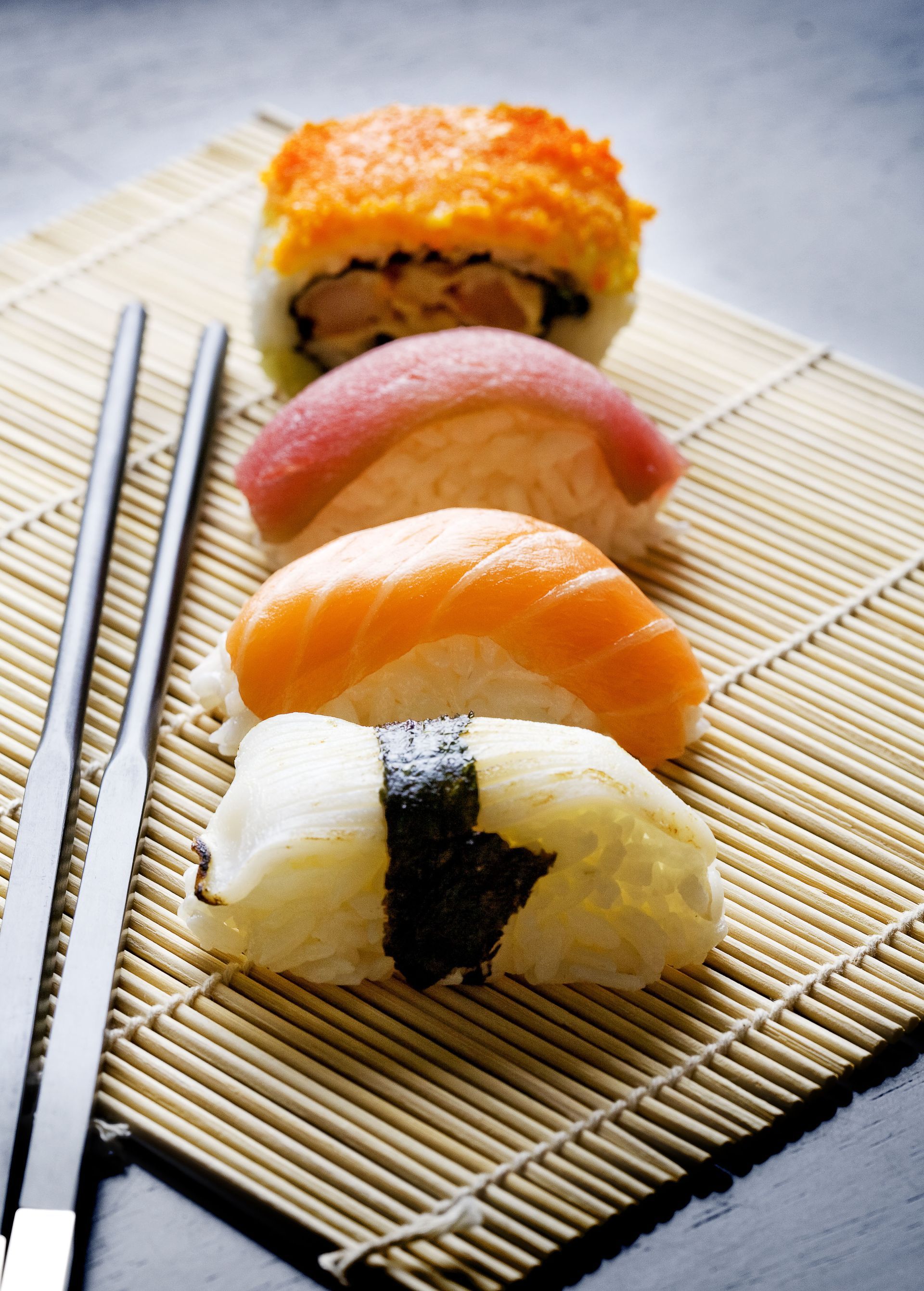
During the Edo period in Japan, significant changes took place to transform sushi from its fermented roots to a culinary delight. Hanaya Yohei is often credited with inventing nigiri sushi, a fast-food variant of sushi, consisting of fish placed atop hand-formed rice, drawing locals' and eventually global attention. The rapid preparation method aligned perfectly with Edo’s vibrant, fast-paced lifestyle, laying the foundation for sushi's transition to a modern convenience food. As the popularity of nigiri sushi spread across Japan, chefs began experimenting with various toppings and styles, diversifying sushi's offerings. Today, this approach echoes the innovation that continues to define sushi traditions worldwide.
The spread of modern sushi can be largely attributed to its adaptability and appeal. Various regions in Japan developed their own unique sushi styles, incorporating local ingredients and culinary techniques. This diversification added layers of complexity to the growing sushi culture, enticing both the curious and the traditionalists. As these regional styles gained traction, they set the precedence for sushi's future global adaptations. Magnifying its reach, sushi became an emblem of Japan's rich culinary heritage.
While Japanese cuisine became appreciated internationally, sushi maintained a special status, giving rise to many sushi restaurant options. It represented a delicate balance of flavors, aesthetics, and culture. Japanese migrants introduced a variety of their culinary habits worldwide, with sushi quickly becoming a representative dish. By emphasizing fresh ingredients and refined techniques, sushi mirrored the sophistication inherent in Japanese dining practices. Its international acclaim thus established, sushi flourished beyond Japanese borders, enhancing Japan's culinary influence.
Nutritional Benefits of Sushi
High Protein Content from Fresh Fish
Sushi is an excellent source of high-quality protein, primarily due to its key ingredient—fresh fish. Fish like salmon, tuna, and eel are commonly used in sushi and offer a substantial amount of protein essential for body function and repair. Consuming protein-rich sushi supports muscle development and contributes to overall bodily health. Since a standard serving size of sushi provides a significant portion of one's daily protein intake, it is especially popular among fitness enthusiasts. Thus, the nutritional appeal of sushi is integral to its lasting popularity.
The protein found in sushi is lean and digestible, making it a healthy option compared to many other protein sources. It offers the necessary amino acids our bodies need, without excess saturated fats. This quality of sushi aligns with modern dietary trends that emphasize lean, nutritious eating. Additionally, the variety of fish available allows consumers to customize their meals at their local sushi restaurant based on personal dietary needs and preferences. With protein needs met in a flavorful package, sushi enjoys a dedicated following among health-conscious individuals.
Fresh fish, rich in protein, also contains a wealth of other essential nutrients. They offer a combination of minerals and vitamins, which include iodine, vitamin D, and vitamin B12—all necessary for optimum health. A single meal can therefore cater to multiple nutritional requirements, making sushi an ideal choice for those who seek nutrient-dense meals. As awareness about diet’s role in health rises, sushi attracts those who prioritize balanced eating. Consequently, the global appeal of Japanese cuisine—ranked second most popular worldwide, according to Data Bridge Market Research—is further magnified by sushi's nutritional benefits.
Sushi as an Art Form
Precision and Technique in Sushi Making
Sushi-making is often compared to an art form, where precision and technique are paramount. Chefs at a sushi restaurant undergo extensive training to master the skills needed for crafting the perfect sushi. The delicate balance of flavors wrapped in the simplicity of rice and fish demands accuracy and creativity from its creators. Every aspect, from the type of rice used to the cutting technique for fish, plays a vital role in the final product's success. Consequently, this meticulous attention to detail elevates sushi from mere food to a cherished artisan craft.
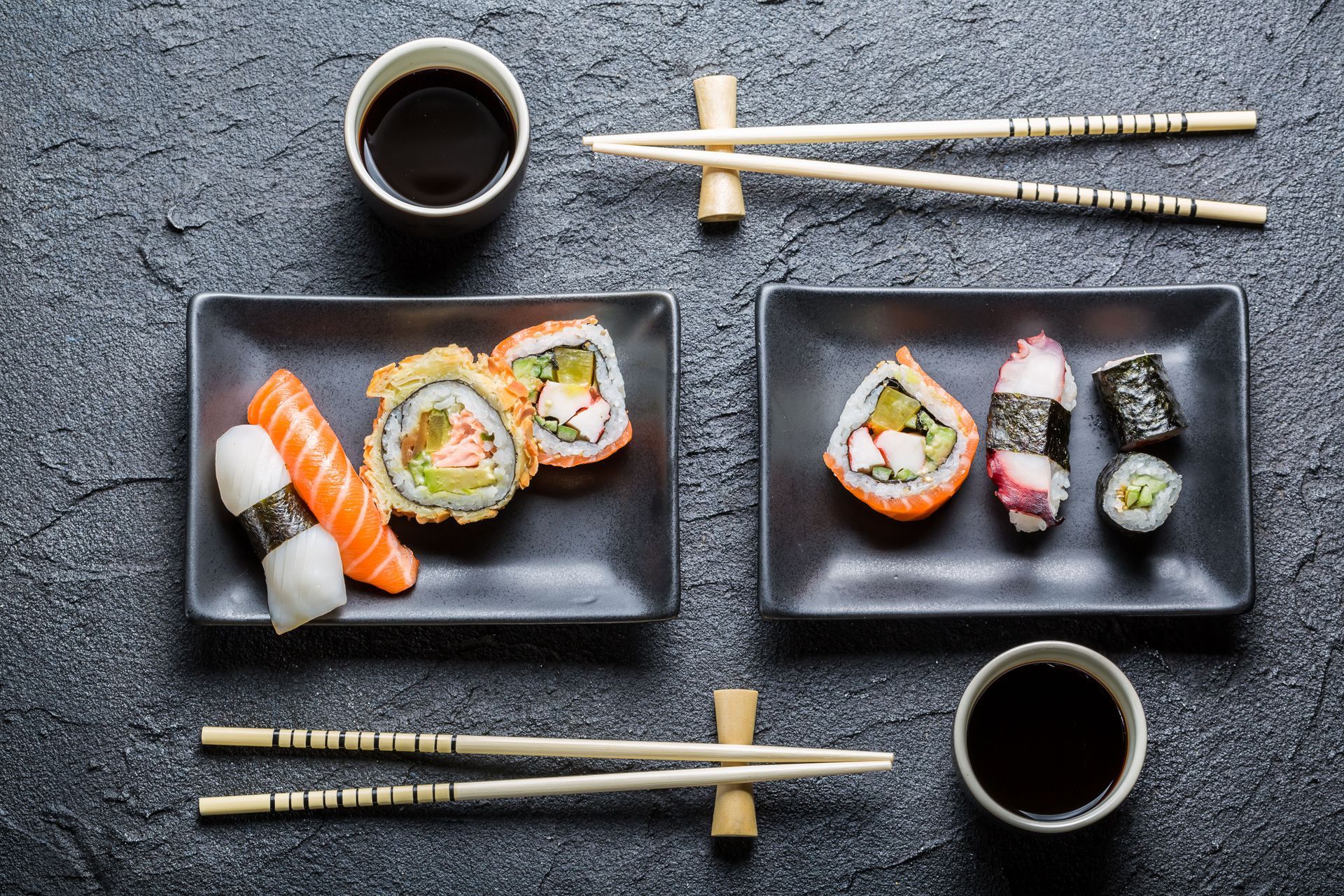
The allure of sushi lies not only in its taste but also in its visual presentation. Plates of sushi are often meticulously arranged, each piece akin to a small masterpiece. This aesthetic consideration plays into the food's overall appeal, heightening the dining experience. Unique combinations of color and texture invite diners to weave through a visual and gustatory symphony. This artistic endeavor, led by skilled chefs, ensures sushi remains an esteemed delicacy across cultures.
The dedication to honing sushi craft has led to the establishment of prestigious sushi chef training programs. In Japan, becoming an Itamae, a sushi chef, is a revered career that can take decades of apprenticeship. The transmission of traditional techniques is treated with the utmost respect, preserving the artistry and cultural heritage behind sushi. Such dedication has ensured that the quality and authenticity of sushi are maintained even as it has expanded globally. Therefore, sushi's classification as both art and sustenance continues to enchant worldwide audiences.
Innovation and Variations in Sushi
Fusion Sushi: Combining Flavors and Cultures
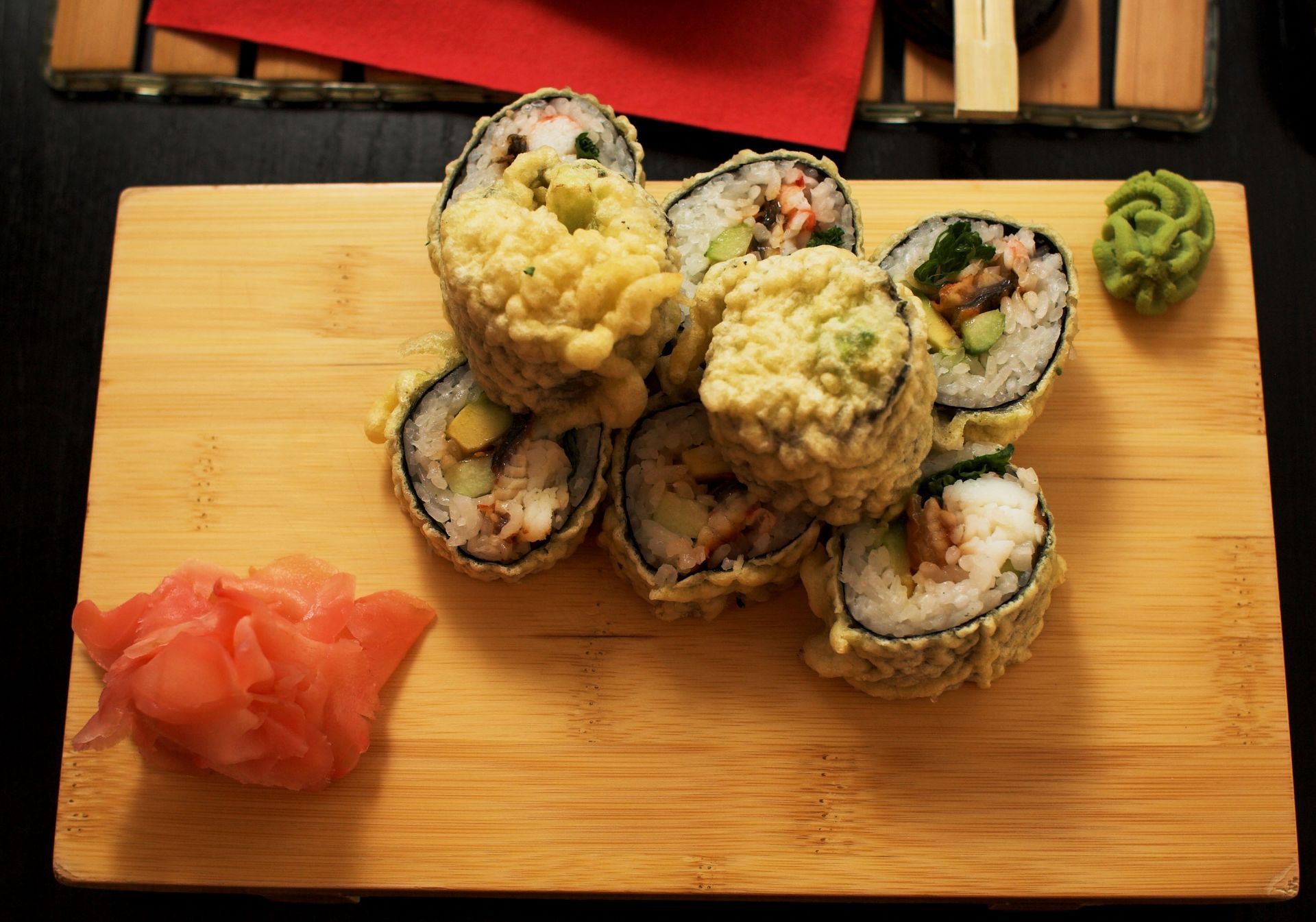
Sushi restaurant chefs worldwide began integrating elements from various cuisines, creating unique and exciting culinary experiences. This adaptability showcases sushi's versatility in appealing to a broader audience. Whether incorporating European, American, or Asian influences, fusion sushi allows for creativity while respecting its origins. This blend of tradition and innovation has expanded sushi's reach and kept sushi restaurants relevant in the ever-evolving culinary market.
Fusion sushi's popularity demonstrates the ability of culinary traditions to adapt and resonate with new demographics. By infusing international flavors into traditional sushi models, chefs can celebrate a melding of culinary cultures. This phenomenon is evident within sushi bars around the globe, where new, exciting permutations of traditional dishes are continuously introduced. The result is a genre of sushi that still holds true to its roots, yet boldly explores contemporary taste preferences. As global food culture continues to embrace diversity, fusion sushi's appeal is projected to flourish even further.
In conclusion, sushi's enduring popularity is a testament to its multifaceted global appeal. Its historical roots, nutritional benefits, artistic craftsmanship, and economic significance converge to create a beloved culinary phenomenon. Visit Osaka Japanese Hibachi & Sushi Restaurant today to try sushi at the area's favorite
sushi restaurant!