April 23, 2026
Stepping into the vibrant world of Japanese cuisine can feel incredibly overwhelming for a newcomer, especially when faced with the intricate art of expertly prepared raw fish and seasoned rice. A visit to a reputable sushi restaurant offers an immersive experience where every detail, from the visual presentation of the dishes to the ambient atmosphere of the dining room, is designed to elevate the meal.
By understanding the foundational elements of this dining tradition, beginners can confidently navigate the offerings, appreciate the profound craftsmanship on their plates, and fully embrace a spectacular gastronomic adventure without feeling intimidated by unfamiliar terminology or customs. With guidance, anyone can sit at a chef's counter and feel at ease, ready to savor an extraordinary meal.
Decoding the Sushi Menu
Navigating the array of choices available at a traditional eatery requires a basic understanding of Japanese culinary terminology. The document presented to diners upon seating is often divided into distinct categories separating cooked appetizers, raw offerings, rolled items, and composed platters. First-time patrons might feel initially lost among the foreign words, but recognizing the structural breakdown of these offerings helps demystify the ordering process and ensures a well-rounded meal. Familiarizing yourself with these standard divisions allows for a confident and enjoyable dining experience at any local sushi restaurant.
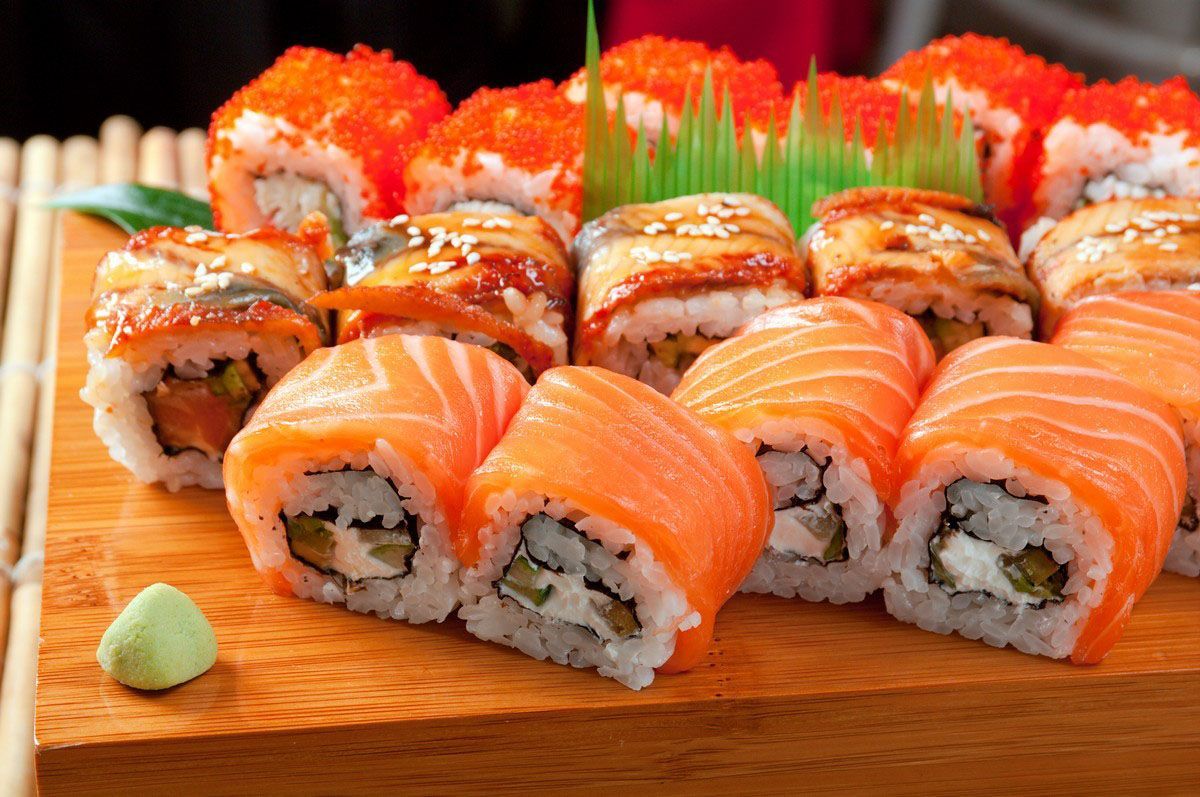
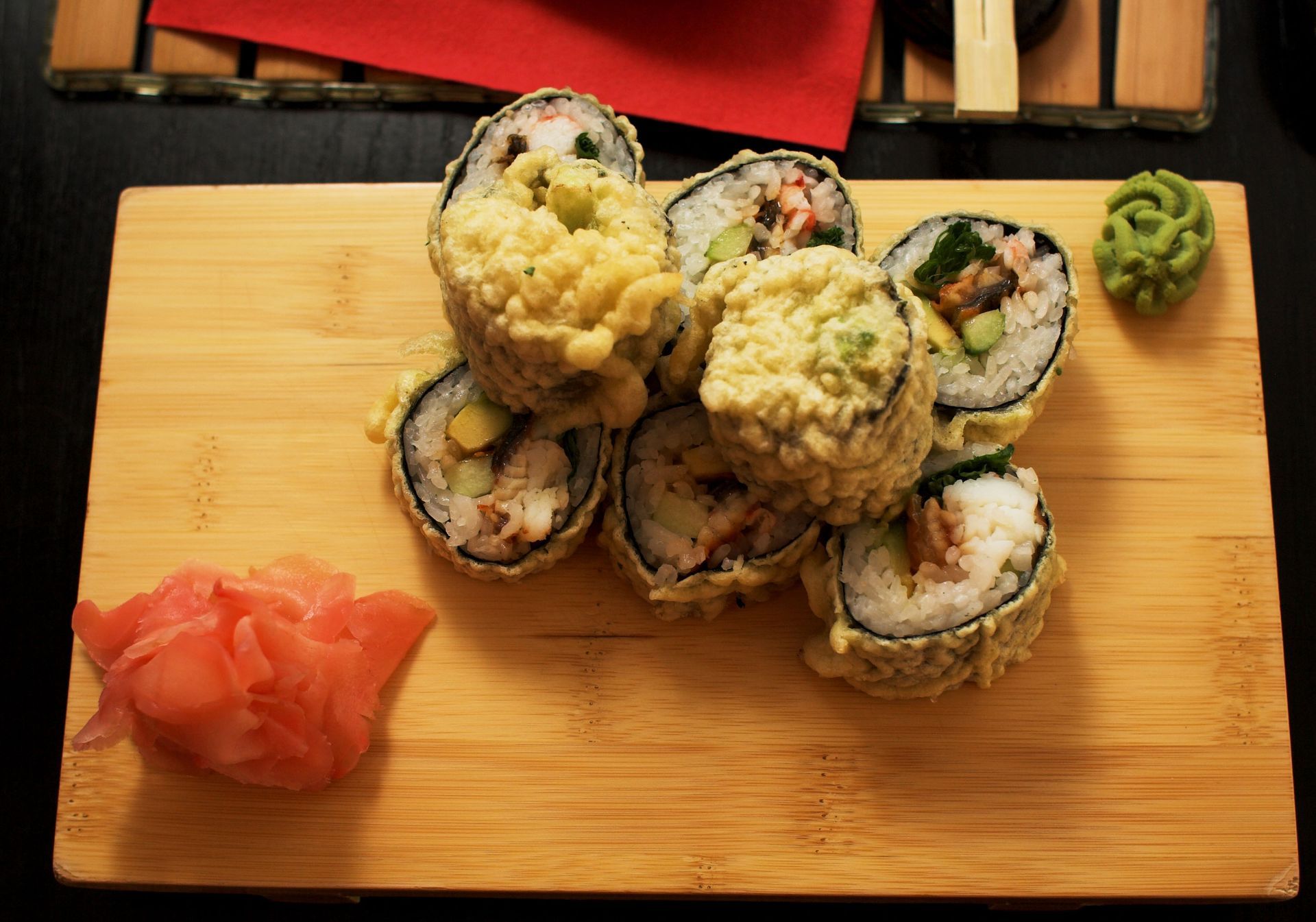
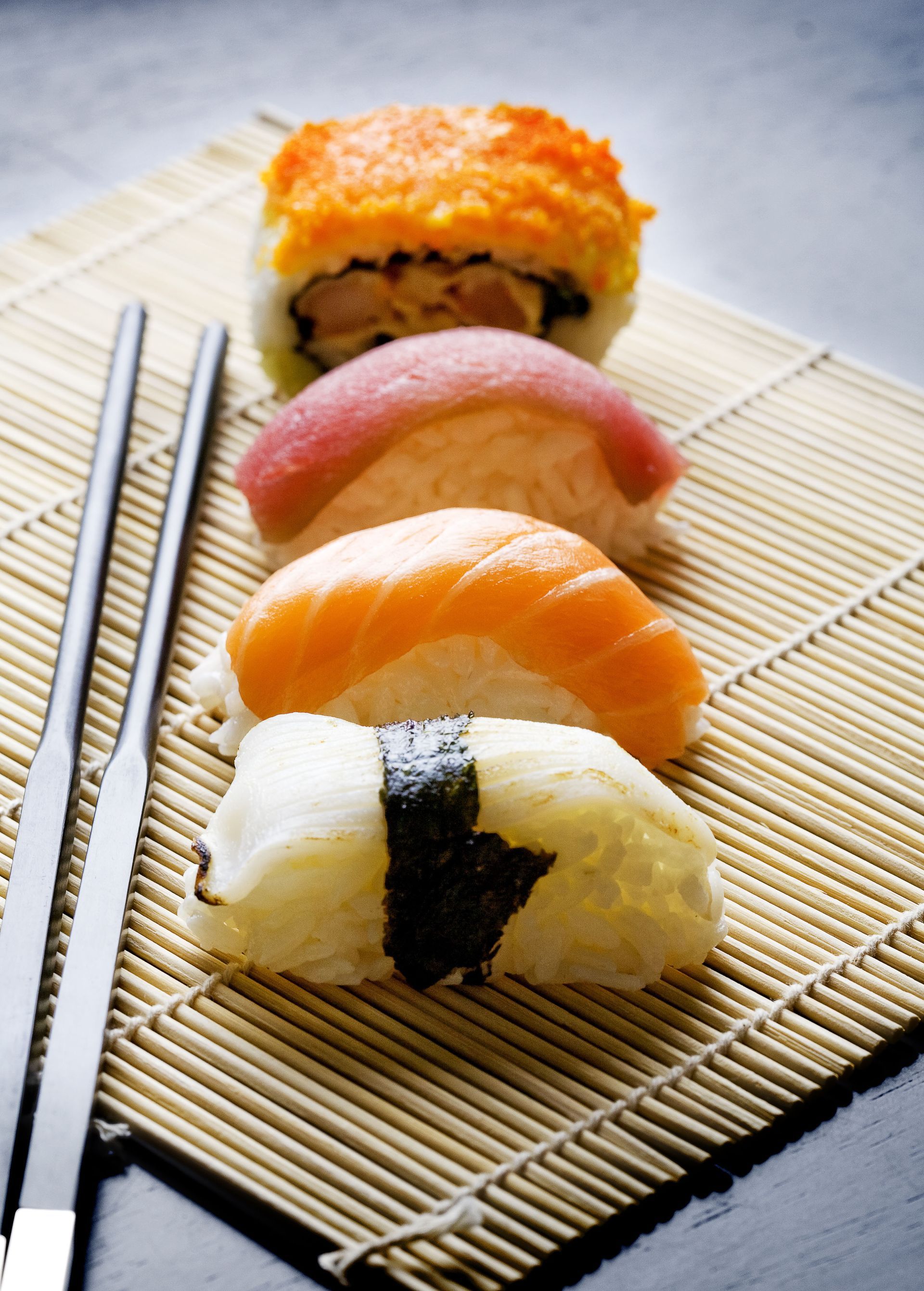
Specifically, the menu typically distinguishes between nigiri, sashimi, and maki, which form the core triad of the experience. Nigiri consists of a meticulously formed mound of vinegared rice draped with a single slice of seafood, offering a pure expression of the ingredient's flavor. Sashimi removes the rice entirely, presenting premium cuts of raw fish meant to be savored completely unadorned. Maki encompasses the beloved rolls where rice, seafood, and crisp vegetables are tightly wrapped in toasted seaweed before being sliced into bite-sized pieces.
Identifying Common Sushi Varieties
Beyond the foundational styles of preparation, the incredible diversity of seafood utilized by chefs provides an endless spectrum of tastes and textures to explore. The popularity of this cuisine continues to soar on a massive scale; in fact, according to Strategic Market Research, the global sushi restaurant market is projected to reach $13.7 billion by 2030. By sampling across the spectrum of oceanic offerings, beginners can gradually train their palates to detect the subtle nuances that distinguish different types of fish.
Among the most popular varieties encountered by beginners are sake (salmon), maguro (tuna), and hamachi (yellowtail). Sake offers a universally beloved, melt-in-your-mouth richness with a striking vibrant orange hue. Maguro provides a deeper, meatier flavor profile, often graded by its fat content from lean akami to luxurious, heavily marbled otoro. Hamachi bridges the gap with a buttery, mildly sweet taste and a slightly firmer texture, making these three oceanic catches an excellent starting point for anyone looking to build their confidence with raw seafood.
Practicing Proper Dining Etiquette
The cultural customs surrounding this specific style of Japanese dining are deeply rooted in respect for the chef and appreciation for the ingredients. While modern dining establishments are often forgiving of newcomers, observing a few foundational rules of conduct greatly enhances the authenticity of the experience. Demonstrating good manners at a traditional sushi restaurant not only honors the culinary professionals but also allows you to consume the food exactly as the chef intended it to be enjoyed.
Specifically, proper etiquette dictates how one should handle the delicate pieces of food, whether using wooden chopsticks or one's clean fingers, both of which are entirely acceptable methods. When dipping nigiri into soy sauce, it is crucial to invert the piece so that only the fish touches the liquid, preventing the seasoned rice from absorbing too much sodium and falling apart. Placing chopsticks across a bowl is taboo; instead, they should rest on the provided ceramic holder when not actively conveying food.
Balancing Traditional Sushi Condiments
The accompaniments served alongside the main dishes are not merely garnishes but vital components designed to elevate and cleanse the palate between bites. Understanding the distinct purpose of each accompaniment ensures that the natural sweetness and oceanic brine of the seafood remain the star of the meal. A skilled chef at a premier sushi restaurant meticulously seasons each piece before it arrives at the table, meaning that these extra flavorings should always be applied with a gentle, restrained hand.
The three primary condiments provided to diners are shoyu (soy sauce), wasabi (spicy green paste), and gari (pickled ginger). Shoyu should be poured sparingly into the designated shallow dish to provide a subtle, savory umami enhancement without drowning the protein. Real wasabi offers a sharp, fleeting heat that cuts through the richness of fatty fish, though it should never be heavily mixed directly into the soy sauce. The thin slices of sweet, vinegary gari are meant strictly as a palate cleanser between different types of fish, never layered directly on top of a roll.
Choosing Complementary Beverage Options
Selecting the right drink to accompany delicate seafood is crucial for maintaining the subtle flavor harmonies established by the chef. Heavy or overly sweet drinks can easily crush the nuanced taste of premium raw fish and seasoned rice. Instead, the focus should be on clean, crisp liquids that refresh the mouth and prepare the taste buds for the next bite. The drink selection at an upscale sushi restaurant is specifically curated to feature libations that cut through the richness of the seafood while highlighting the natural umami notes of the dishes.
For a truly authentic pairing, traditional Japanese green tea, known as agari, is arguably the most perfect non-alcoholic beverage to sip throughout the meal due to its astringent, palate-cleansing properties. If seeking an alcoholic pairing, a dry, chilled sake—particularly a refined Daiginjo—offers floral and fruity notes that harmonize beautifully with lighter white fish and sweet shellfish. A crisp, highly carbonated Japanese lager provides a refreshing textural contrast that cuts through the fattiness of tuna belly and spicy mayonnaise-based rolls without overwhelming the palate.
Spotting Quality Sushi Restaurants
Identifying an establishment that prioritizes excellence requires looking beyond simple aesthetic decor and paying attention to the finer details of the dining environment. A discerning diner can often assess the caliber of an eatery within moments of walking through the door by observing the subtle cues of the environment. Every top-tier sushi restaurant takes immense pride in maintaining a pristine atmosphere where the focus remains squarely on the freshness and meticulous preparation of the ingredients.
To determine true quality, a beginner should look closely at the display case at the chef's counter, which should feature fish that looks vibrant, firm, and completely devoid of any strong, overtly fishy odors. The rice itself is another massive indicator; it should be served slightly warm, gently packed so it holds together but falls apart easily in the mouth. A concise menu highlighting seasonal specialties rather than an overwhelming list of heavily fried gimmick rolls indicates that the establishment respects traditional culinary standards.
Embarking on a journey to appreciate the finer points of Japanese raw seafood requires an open mind, a willingness to learn, and a deep respect for culinary craftsmanship. By mastering the terminology, recognizing the distinct flavor profiles of different catches, and adhering to polite dining customs, anyone can transform a simple meal into a profoundly rewarding cultural experience. The harmonious balance of properly seasoned rice, pristine seafood, and subtle accompaniments creates a symphony of flavors that continues to captivate diners globally. When you are ready to put this knowledge into practice and enjoy a spectacular dining adventure, we invite you to join us for an exceptional evening at Osaka Japanese Hibachi & Sushi Restaurant.